

NAIDOC Week 2026: Celebrating 50 Years of Deadly in Your Early Childhood Setting
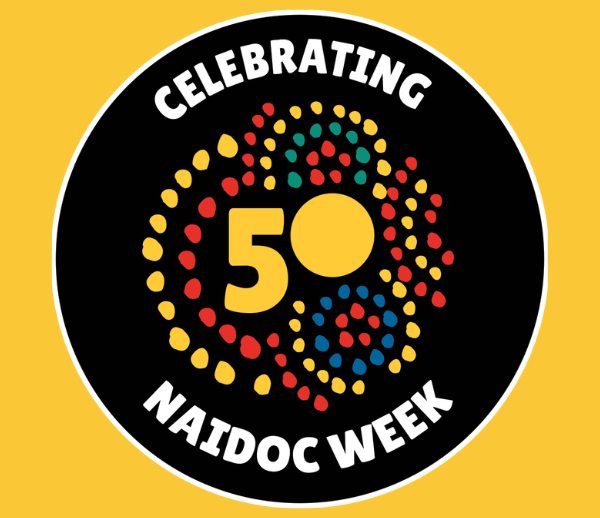
NAIDOC Week 2026 runs from 5 to 12 July, and this year’s celebration carries extra significance. The 2026 theme — 50 Years of Deadly — marks five decades of NAIDOC Week as a national platform for amplifying and celebrating Aboriginal and Torres Strait Islander peoples, cultures, and achievements. And in early childhood settings, it’s one…

NAIDOC Week 2026 runs from 5 to 12 July, and this year’s celebration carries extra significance. The 2026 theme — 50 Years of Deadly — marks five decades of NAIDOC Week as a national platform for amplifying and celebrating Aboriginal and Torres Strait Islander peoples, cultures, and achievements. And in early childhood settings, it’s one of the most meaningful weeks on the calendar.
What Does “Deadly” Mean?
Before we dive in, it’s worth explaining the word itself — especially if you’re sharing it with children or families who might not be familiar with it.
In Aboriginal English, deadly means excellent, outstanding, or wonderful. It’s a word of pride, power, and celebration. So 50 Years of Deadly isn’t just a milestone — it’s a declaration. It honours the Elders, organisers, artists, activists, and communities who have carried NAIDOC forward for half a century, ensuring it remained grounded in culture, truth-telling, and community. As the National NAIDOC Committee puts it, this anniversary is “a marker, not just of time passed, but of the momentum still building.”
It looks back at how far the movement has come — and forward to the next fifty years, led by young people growing up proud, the return of language, and the return to Country.
Why NAIDOC Week Matters in Early Childhood
Early childhood is one of the most powerful windows for shaping the values, perspectives, and sense of wonder that children carry into the rest of their lives. When we introduce children to Aboriginal and Torres Strait Islander cultures, stories, and history in age-appropriate, respectful, and joyful ways, we’re not just ticking a curriculum box — we’re laying the foundations for genuine understanding, empathy, and respect.
The Early Years Learning Framework (EYLF) explicitly calls on educators to embed Aboriginal and Torres Strait Islander perspectives into practice, and NAIDOC Week is a wonderful opportunity to do exactly that. More than a single week of activities, it’s an invitation to reflect on how your centre honours First Nations culture year-round — in your books, your art, your Acknowledgement of Country, and the conversations you have with children and families every day.
Ideas and Activities to Bring NAIDOC Week to Life
Here are some age-appropriate, meaningful ways to celebrate 50 Years of Deadly in your service this week and beyond:
Acknowledge Country Together
Start each day of NAIDOC Week with a simple, age-appropriate Acknowledgement of Country. Encourage children to participate and ask questions — Who are the Traditional Owners of this land? What does it mean to care for Country? Keep it warm and conversational rather than scripted.
Create Aboriginal-Inspired Art
Dot painting is a popular and accessible activity for young children. Use earthy tones — ochres, reds, yellows, and whites — and invite children to create their own dot art. Take the time to explain the significance of Aboriginal art and storytelling through visual language, and importantly, frame it as inspired by First Nations art traditions, not a replica of sacred designs.
Explore Music and Dance
Play recordings of traditional Aboriginal and Torres Strait Islander music and invite children to move freely. Introduce simple instruments like clap sticks (available from many Indigenous-owned suppliers) and encourage children to explore rhythm and sound.
Plant a Garden Inspired by Country
Connect children with the land through a nature-based activity — planting native Australian plants or creating a sensory garden using local flora. Discuss how Aboriginal and Torres Strait Islander peoples have always had a deep, spiritual connection to the land, and how they have cared for Country for tens of thousands of years.
Invite a Local Elder or Storyteller
Where possible and appropriate, invite a local Aboriginal or Torres Strait Islander Elder or cultural storyteller to visit your centre. This is one of the most meaningful experiences you can offer children — and a wonderful way to build genuine community connections. Reach out to your local Aboriginal Community Controlled Organisation or Land Council for guidance.
Books to Read With the Children
Sharing stories written and illustrated by Aboriginal and Torres Strait Islander authors is one of the most powerful things you can do. Here are some well-loved titles to add to your reading corner this NAIDOC Week:
- The Rainbow Serpent by Dick Roughsey — A timeless Dreamtime classic that introduces children to one of the most significant figures in Aboriginal tradition, told through vivid illustration and storytelling.
- Welcome to Country by Aunty Joy Murphy — A heartfelt introduction to the Aboriginal tradition of Welcome to Country, beautifully illustrated and perfect for starting conversations about respect and belonging.
- Tiddalick the Frog Who Caused a Flood by Robert Roennfeldt — A classic Dreamtime story about community, problem-solving, and the natural world — themes children connect with deeply.
- Our Home, Our Heartbeat by Adam Briggs — A bold, joyful celebration of First Nations legends and heroes, adapted from Briggs’ hit song and a winner of the CBCA Picture Book of the Year.
- Ceremony: Welcome to Our Country by Adam Goodes and David Hardy — A joyful celebration of Aboriginal traditions, dance, and community that brings culture alive through beautiful imagery.
- Respect (Our Place series) — A gentle, lyrical picture book that introduces children to one of the most foundational values in Aboriginal and Torres Strait Islander cultures.
When purchasing books, consider supporting Aboriginal and Torres Strait Islander-owned bookshops and publishers — such as Magabala Books, Australia’s leading Indigenous publishing house.
A Moment to Reflect as Educators
NAIDOC Week is not only for the children in your care — it’s an opportunity for educators to reflect on their own knowledge, assumptions, and practices. Consider: Does our centre’s environment reflect First Nations culture authentically and respectfully? Are Aboriginal and Torres Strait Islander perspectives embedded throughout the year, not just during NAIDOC Week? Are we listening to and following the lead of the communities whose Country we’re on?
50 Years of Deadly is a celebration of how far Australia has come — and a reminder of how much further there is still to go. Early childhood educators play a genuinely important role in that journey. The values of respect, curiosity, and belonging that you nurture in children today are the foundations of a more inclusive Australia tomorrow.
Happy NAIDOC Week.
At Entrée Early Years, we’re proud to support the early childhood sector with qualified, passionate educators who are committed to culturally safe and inclusive practice. If you need staffing support for your service, we’d love to help.
Related Articles
NAIDOC Week 2026: Celebrating 50 Years of Deadly in Your Early Childhood Setting

Winter Wellness in Childcare: How to Stay Healthy This Season